Why are carpet moths targeting your floors?
Carpet moth larvae require keratin, a natural structural protein found in wool, hair, fur, and feathers. If your home has wool carpets, antique rugs, or mixed-fiber upholstery, these insects find an abundant food supply. They rarely attack pure synthetic materials like nylon or polyester unless those fibers contain spilled food, body oils, or pet dander.
Adult moths seek out undisturbed, dimly lit areas to lay their eggs. This means floor coverings under heavy sofas, behind long curtains, and inside rarely opened closets are primary targets. Knowing what attracts them helps you prioritize the spots that need immediate attention.
- Natural fibers rich in keratin, such as wool, mohair, and horsehair
- Accumulated pet hair and human skin flakes trapped in carpet pile
- Dark, sheltered floor areas rarely reached by daily foot traffic
Where should you inspect first?
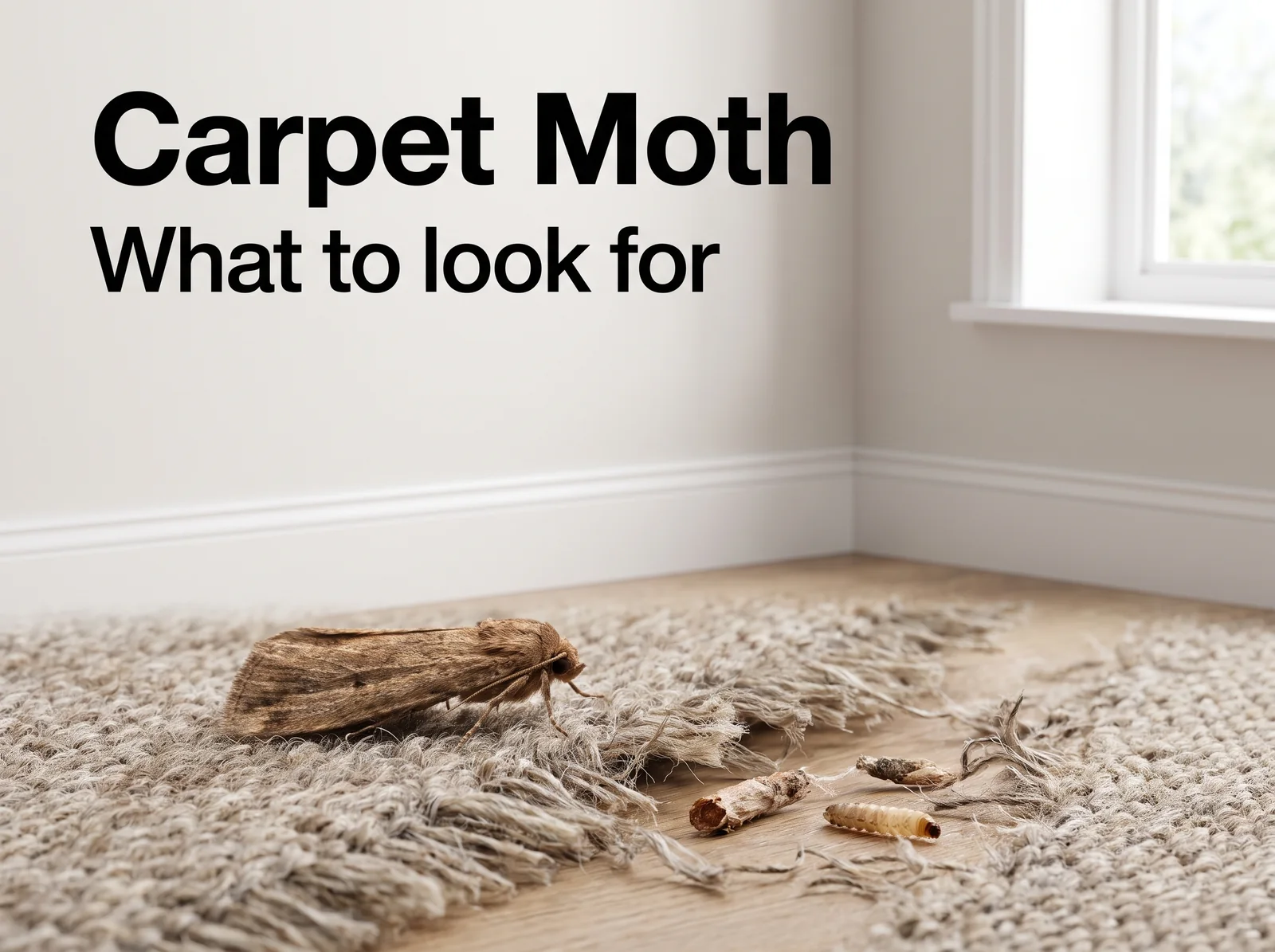
Begin your inspection by moving furniture away from walls and lifting the edges of area rugs. You are searching for small, creamy-white larvae, silken tubes, or tiny sand-like droppings known as frass. Look closely along baseboards and underneath heavy cabinets where vacuum cleaners rarely reach.
Check both the top pile and the woven backing of your rugs. Larvae often chew from the underside where they remain undisturbed. If you spot localized thinning, bare patches, or fine webbing stuck to the fibers, you have found an active breeding site that requires immediate mechanical cleaning.
- Undersides and fringe borders of wool and silk area rugs
- Floor spaces directly beneath low-clearance couches and beds
- Closet floors and carpet edges tucked against baseboard trim
How does deep vacuuming stop their life cycle?
Regular, aggressive vacuuming is your strongest tool against an active infestation. Running a vacuum over affected areas pulls up adult moths, fragile larvae, and microscopic eggs before they hatch. Use a crevice tool to get deep into floor seams, corners, and along baseboards where eggs sit protected.
After vacuuming, immediately take your vacuum cleaner outside to empty the canister or remove the bag. Seal the debris inside a plastic trash bag and place it in an outdoor bin right away. If you leave the collection bag inside your house, surviving larvae can crawl out and reinfest your rooms.
What washing and heat steps remove hidden eggs?
Fabrics, throw blankets, and smaller rugs that can handle washing should go through a hot water cycle. Heat is lethal to moth eggs and larvae at every stage of development. For delicate woolens that cannot tolerate hot water, dry cleaning offers an effective alternative that kills insects without shrinking fibers.
Steam cleaning your installed wall-to-wall carpeting also raises fiber temperatures enough to eliminate hidden pests. Make sure the carpet dries completely afterward, as residual dampness can encourage mold or attract other household pests. Freezing small items inside sealed plastic bags for several days can also kill remaining eggs safely.
How do pheromone traps assist your efforts?
Pheromone traps use species-specific scents to attract and capture adult male moths on sticky boards. While traps alone will not eliminate an infestation because they leave females and larvae behind, they serve as an early warning system. They reveal which rooms harbor active adult populations.
Place traps on the floor or on low shelves near suspected problem areas. Check them weekly to count captured moths. A sudden increase in trapped insects tells you that larvae have matured into adults, signaling that you need to vacuum and inspect those rooms once again.
When should you consider chemical treatments?
If deep cleaning, steam, and sanitation fail to stop heavy damage, a targeted chemical treatment may be necessary. Always choose an EPA-registered product specifically labeled for indoor carpet moths and follow all printed directions precisely. Avoid broad, indiscriminate spraying across entire rooms.
Apply products only to infested cracks, baseboard edges, or rug backing as instructed on the packaging. Never apply off-label mixtures or homemade chemical sprays, as they can ruin expensive floor coverings and create unnecessary exposure risks for your household.
How can you protect your carpets long term?
Long-term protection depends on regular maintenance and smart storage habits. Move your furniture periodically to vacuum beneath heavy items and expose dark floor areas to natural light. Vacuuming high-risk rugs once or twice a week prevents stray larvae from establishing a permanent foothold.
Store off-season wool textiles, tapestries, and spare rugs in airtight containers or heavy-duty garment bags. Clean every item thoroughly before placing it into storage, since moths are drawn to lingering sweat and food stains. Consistent habits keep your home uninviting to new moth populations.
Questions you may still have
Can carpet moth larvae bite humans or pets?
No, carpet moth larvae do not bite humans or pets. They lack piercing mouthparts and feed exclusively on keratin-rich animal fibers, hair, and organic debris. However, prolonged direct contact with larval webbing or shed skins can occasionally cause mild, temporary skin irritation in sensitive individuals.
How do carpet moths get inside your house initially?
Carpet moths usually enter homes on second-hand furniture, antique rugs, vintage wool clothing, or thrifted textiles that already contain unseen eggs or larvae. Adult moths can also fly through open windows, torn door screens, or unsealed vents, drawn inside by outdoor lighting or favorable indoor conditions.
How long does it take to completely get rid of them?
Eliminating an infestation typically takes between four to eight weeks. Because moth eggs hatch at different intervals depending on indoor room temperature and humidity, you must maintain regular vacuuming, washing, and pheromone monitoring throughout an entire reproductive cycle to ensure no newly hatched larvae survive.