How do you identify a carpet moth infestation?
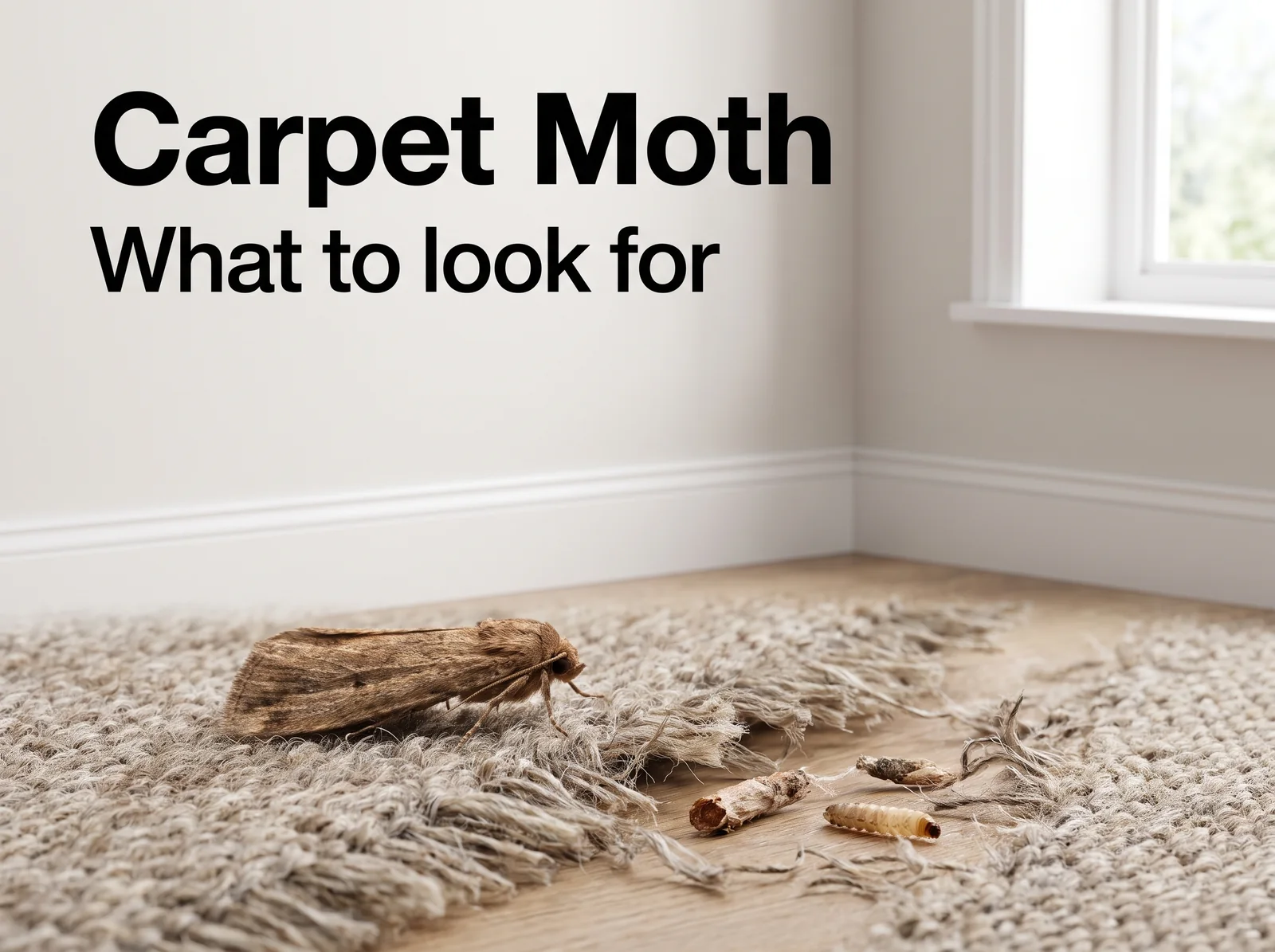
Carpet moths are small, buff-colored insects that prefer dark, quiet spaces. You rarely see them flying around bright lights because they run or flutter near floor level. The adult moths measure less than half an inch across, but the real threat comes from their creamy-white caterpillars, which feed continuously on animal-based proteins.
To find an infestation, inspect undisturbed areas like carpet edges under heavy sofas, behind wardrobes, and beneath low-hanging drapes. Look for bald patches in natural fiber carpets, irregular holes, and small silken tubes or cases left behind by the larvae. You might also spot fine webbing and granular droppings that resemble coarse sand.
- Bare patches or loose pile along baseboards and under furniture.
- Small, cylindrical silken cases attached to fiber strands.
- Tiny, beige moths scurrying across floorboards rather than flying freely.
What attracts carpet moths to your home?
Carpet moths seek out keratin, a structural protein found in wool, silk, feathers, down, leather, and animal hair. Synthetic fibers like nylon or polyester do not provide nutrients on their own, but moths will still chew through them if they contain absorbed sweat, food spills, or pet dander.
Darkness and humidity make ideal breeding grounds. Rooms with low foot traffic, poor air circulation, and infrequent vacuuming provide undisturbed shelter for females to lay hundreds of microscopic eggs directly onto fabric fibers. Keeping high-risk rooms well-ventilated and free of dust removes the quiet shelter these pests need to thrive.
What is the best way to clean infested carpets and rugs?
Vacuuming is your primary mechanical tool against carpet moths. Use a vacuum with strong suction and a crevice tool to clean along baseboards, beneath immovable furniture, and over heating vents. Go over affected areas slowly in multiple directions to lift out eggs and tightly clinging larvae from deep within the pile.
Immediately empty your vacuum canister or dispose of the vacuum bag in an outdoor trash bin so larvae cannot crawl back inside your home. For area rugs, roll them up carefully, take them outside for a thorough beating, and clean both the top pile and the backing before bringing them back indoors.
Can heat and cold treatments kill moth larvae?
Temperature extremes provide a reliable, chemical-free way to eliminate all life stages of carpet moths. High heat breaks down insect proteins quickly, while deep freezing crystalizes and destroys larval cells. Applying these methods to removable fabrics prevents hidden eggs from surviving inside seams.
Wash small rugs, blankets, and cushion covers in hot water and run them through a high-heat dryer cycle for at least thirty minutes if the fabric care label permits. For delicate woolens that cannot tolerate hot washing, seal them in airtight plastic bags and place them in a deep freezer set below zero degrees Fahrenheit for a minimum of two weeks.
- Wash washable textiles at temperatures above 120 degrees Fahrenheit.
- Freeze fragile items at 0 degrees Fahrenheit for at least 14 days.
- Steam clean fixed wall-to-wall carpets to reach deep into the backing.
How do you use traps to monitor carpet moth activity?
Pheromone traps are essential tools for monitoring carpet moth numbers and tracking the progress of your cleanup efforts. These traps use synthetic female pheromones to lure adult male moths onto a sticky board. Placing traps near floor level in dark corners helps you detect activity before visible carpet damage occurs.
Traps alone will not eliminate an infestation because they do not catch larvae, pupae, or egg-laying females. Instead, check the sticky pads weekly to gauge population changes. A steady drop in trapped moths confirms your cleaning routines are working, while a sudden spike tells you an undiscovered breeding pocket remains.
When should you consider chemical treatments?
If heavy damage spreads across large areas of wall-to-wall carpeting and thorough cleaning does not halt the problem, targeted surface treatments may be necessary. Chemical controls should always supplement physical sanitation rather than replace it.
Use only an EPA-registered product specifically labeled for indoor carpet moths and residential fabrics. Read and follow the complete manufacturer label, paying strict attention to dry times and ventilation instructions. Avoid applying broad-spectrum sprays across large open living spaces where routine vacuuming is already effective.
How do you prevent carpet moths from returning?
Long-term prevention relies on maintaining an environment that carpet moths find unlivable. Move large furniture pieces periodically to expose hidden carpeting to natural light and regular vacuuming. Groom household pets often and clean up shed fur promptly, as stray hair under cabinets provides an easy food source.
When storing wool blankets, seasonal garments, or spare rugs, wash or dry-clean them first. Pack clean textiles into heavy-duty, airtight plastic containers or vacuum-sealed storage bags rather than cardboard boxes. Regularly inspect storage closets and keep indoor humidity low using dehumidifiers during warm, damp months.
Questions you may still have
Can carpet moths bite humans or household pets?
Carpet moths cannot bite humans or pets. Adults lack working mouthparts and only drink liquids or mate, while larvae have jaws designed solely for chewing animal fibers and organic debris. However, prolonged direct contact with larval webbing or shed skins can occasionally cause mild skin irritation or allergic reactions in sensitive individuals.
How long can carpet moth larvae survive inside a home?
Carpet moth larvae can live anywhere from two months to over two years depending on room temperature, humidity, and food availability. In cool or dry conditions with limited food, larvae slow their metabolism and feed intermittently, prolonging their destructive stage until favorable conditions allow them to pupate into adult moths.
Do natural repellents like cedarwood or lavender kill carpet moths?
Natural repellents like cedarwood, lavender, and essential oils do not kill carpet moth eggs or larvae. While fresh scents may slightly deter adult moths from entering small, sealed storage chests, their effectiveness fades quickly. They cannot resolve an active infestation on carpets or protect fabrics once moths have already settled in.